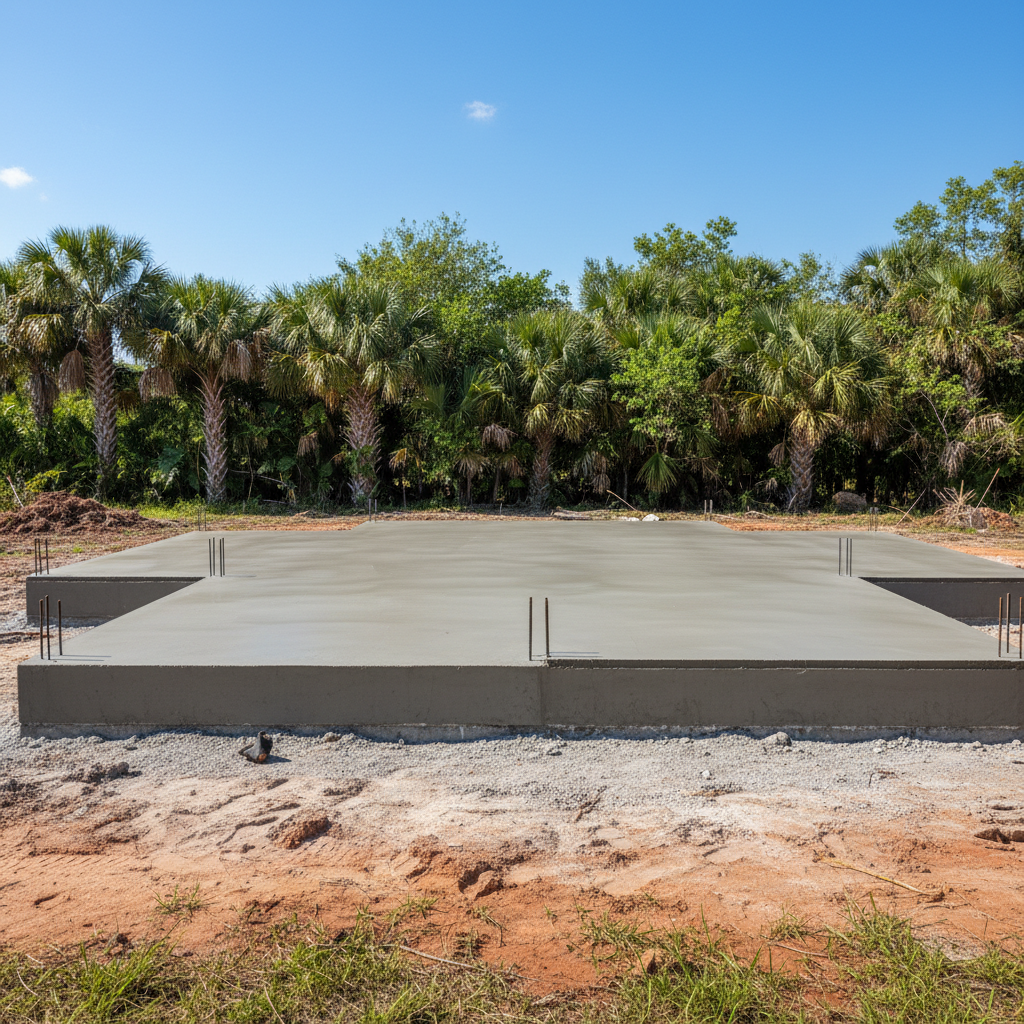
Thinking about a new concrete driveway, patio, or even a foundation repair here in Lehigh Acres? You've got to consider our local weather. It's not like up north where you're worried about freezing and thawing cycles. Here, it's all about the heat, the humidity, and those sudden downpours. Getting your concrete work done right, and protecting it long-term, really depends on understanding these conditions.
When's the Best Time to Pour Concrete in Lehigh Acres?
Honestly, there's no single 'perfect' day, but there are definitely better seasons. Most folks think winter, and they're not wrong. Our winters, from say November through February, are usually cooler and drier. That means the concrete has a much better chance to cure slowly and evenly. Slow curing leads to stronger, more durable concrete. When it's too hot, the water in the mix evaporates too fast, which can lead to cracks and a weaker surface. We've seen it happen when people rush things in the peak of summer.
Spring and fall can be good too, but you've got to watch the forecasts. We get those unpredictable afternoon thunderstorms. You don't want a fresh pour getting washed out or diluted by a sudden deluge. A good contractor, like us at Prime Time Concrete Lehigh Acres, will always be checking the radar and planning around those pop-up showers.
How Our Weather Affects Your Concrete Projects
The biggest factor here is moisture. Too much, too fast, or too little, too fast – both are bad. Our high humidity can sometimes slow down the initial drying, which isn't always a bad thing for strength, but it needs to be managed. Then you get the intense sun. That direct sunlight can bake the surface, causing it to dry out before the interior, leading to surface cracking or 'crazing'.
We also deal with sandy soil conditions in many parts of Lehigh Acres, especially in some of the older, undeveloped areas. This can impact how we prepare the sub-base for your concrete, making sure it's properly compacted and stable before we even think about pouring. A solid foundation underneath is just as important as the concrete itself.
- Temperature: Ideal pouring temperatures are generally between 50°F and 80°F. Anything much hotter, and we need to take extra precautions like cooling the aggregates or adding retarders to the mix.
- Humidity: High humidity can extend curing times, which can be good for strength but means you'll need to keep foot traffic off it longer.
- Rain: Freshly poured concrete and heavy rain don't mix. We always tarp or protect new pours if there's a chance of rain.
- Sun Exposure: Direct, intense sun can cause rapid surface drying. We might use curing compounds or wet curing methods to keep the surface hydrated.
Protecting Your Concrete Investment Year-Round
Once your concrete is in, you want it to last. Here's what you can do:
First off, curing is critical. A good contractor will make sure the concrete is properly cured, which can involve keeping it wet for several days or applying a curing compound. This isn't just about drying; it's about the chemical process that makes concrete strong. Don't let anyone tell you it's 'dry' in a day or two. It might be hard enough to walk on, but it's still gaining strength for weeks.
Secondly, consider sealing. A quality concrete sealer, applied every few years, can make a huge difference. It protects against moisture penetration, stains, and even helps prevent surface erosion from our strong sun and heavy rains. Think of it like sunscreen for your concrete.
Finally, good drainage around your concrete is key. If water is constantly pooling against your foundation or driveway, it's going to cause problems over time. Make sure your gutters are clean and direct water away from concrete slabs. Proper grading around your home helps a lot too.
Taking these steps means your concrete will stand up to our unique Florida climate for years to come. It’s all about smart planning and a little bit of ongoing care.